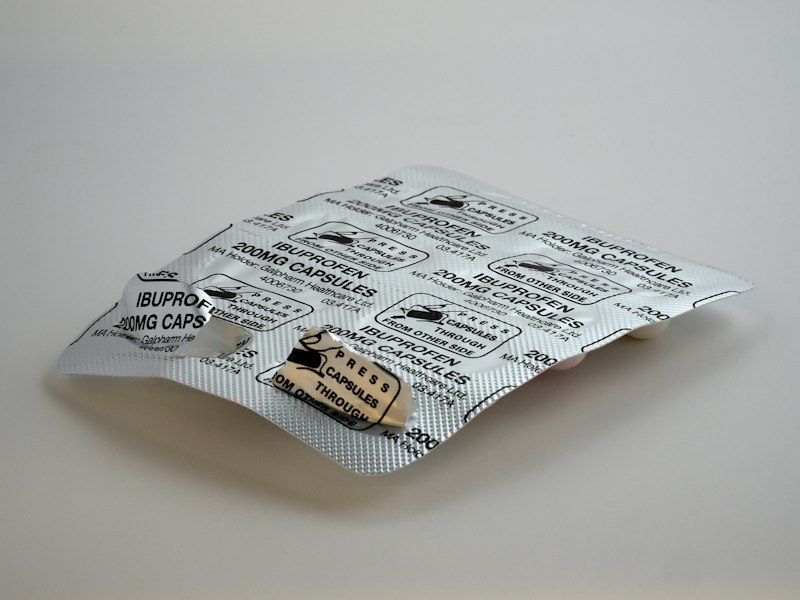
If you feel heavy, bloated, or sluggish after meals — especially larger or richer ones — a digestive enzyme supplement is one of the most commonly recommended (and misunderstood) solutions. Here's what they actually do, and whether they're worth adding to your routine.
What Do Digestive Enzymes Actually Do?
Your body naturally produces enzymes in your saliva, stomach, and pancreas to break food down into nutrients it can absorb. The three main types are:
- Amylase — breaks down carbohydrates and starches into simple sugars
- Protease — breaks down proteins into amino acids
- Lipase — breaks down fats into fatty acids and glycerol
When your body doesn't produce enough of these — due to age, certain digestive conditions, or an overloaded system — undigested food can sit in your gut longer, leading to bloating, gas, and discomfort. Some supplements also include additional enzymes like lactase (for dairy), alpha-galactosidase (for beans and cruciferous vegetables), and cellulase (for plant fibre), which target specific trigger foods rather than general digestion.
Digestive Enzymes vs Probiotics: What's the Difference?
These two are often confused, but they work in completely different ways. Probiotics are live bacteria that colonise your gut over weeks and support your microbiome long-term. Digestive enzymes are proteins that act immediately, breaking down the specific meal you just ate. Probiotics are a long-term gut health strategy; enzymes are a meal-by-meal tool. Many people use both — a daily probiotic for overall gut balance, and enzymes taken with meals that are known to cause discomfort.
Do You Actually Need a Digestive Enzyme Supplement?
You're a good candidate for a digestive enzyme supplement if you regularly experience:
- Bloating or heaviness within an hour of eating, especially after fatty or protein-heavy meals
- Undigested food visible in your stool
- Excessive gas after eating dairy, beans, or cruciferous vegetables
- A general feeling of sluggish digestion as you've gotten older (enzyme production naturally declines with age, particularly after 40)
- Discomfort after large meals or eating out, when portion sizes and rich ingredients can outpace your body's natural enzyme output
If your digestion is generally comfortable and consistent, you likely don't need one — enzymes work best as a targeted fix for a specific problem, not a general wellness supplement taken "just in case."
Plant-Based vs Animal-Based Enzymes
Enzyme supplements generally come from one of two sources. Animal-derived enzymes (like pancreatin, sourced from pork or beef pancreas) closely mimic what your own pancreas produces and are well studied, but aren't suitable for vegetarians or vegans. Plant-based and microbial-derived enzymes (often labelled as fungal or "Aspergillus-derived") work across a broader pH range, meaning they can start working in the stomach rather than waiting until food reaches the small intestine, and are suitable for all diets. Neither is inherently "better" — the right choice depends on your dietary preferences and which specific enzymes you need.
Common Causes of Low Enzyme Production
Enzyme output naturally declines with age, but several other factors can reduce it further: chronic stress (which diverts blood flow away from digestion), a history of pancreatitis or gallbladder removal, long-term use of proton pump inhibitors or other acid-reducing medications, and conditions like exocrine pancreatic insufficiency (EPI), which is a medically diagnosed enzyme deficiency requiring prescription-strength enzyme replacement rather than an over-the-counter supplement. If your symptoms are severe, persistent, or accompanied by unexplained weight loss, it's worth getting assessed by a GP before relying on supplements alone.
Natural Food Sources of Digestive Enzymes
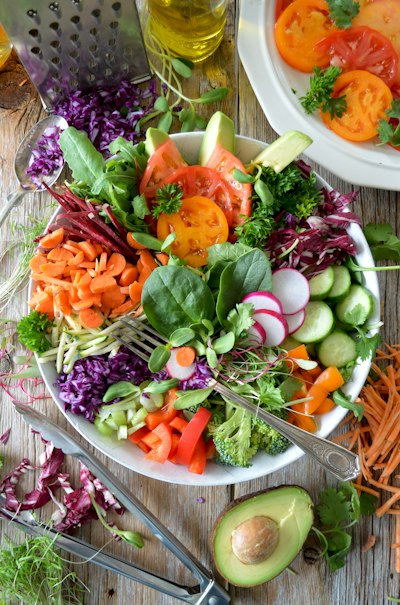
Before reaching for a supplement, it's worth knowing that several whole foods naturally contain digestive enzymes. Pineapple contains bromelain, which helps break down protein. Papaya contains papain, another protein-digesting enzyme, and is a common traditional remedy for heaviness after a big meal. Raw honey, mango, and avocado also contain small amounts of naturally occurring amylase and lipase. These won't replace a concentrated supplement for someone with a genuine enzyme deficiency, but adding a few slices of pineapple or papaya after a large meal is a reasonable first step before committing to a daily supplement.
Our Pick: Blackmores Digestive Enzymes
Blackmores Digestive Enzymes covers all three major enzyme types — amylase, protease, and lipase — in a single formula, which makes it a solid all-rounder rather than a niche, single-enzyme product. It's widely available across Australian pharmacies and is manufactured to TGA standards, which matters for a supplement category with a lot of lower-quality overseas alternatives.
How to Choose the Right Enzyme Formula
Match the formula to your actual symptoms. If dairy is your main trigger, look for a formula with added lactase. If it's beans, legumes, and vegetables causing gas, look for alpha-galactosidase. Broad-spectrum formulas like Blackmores' are the safest starting point if you're not sure exactly which foods are the problem, and you can always add a targeted enzyme (like a standalone lactase tablet) alongside it for specific trigger foods.
When to Take Digestive Enzymes for Best Results
Timing matters more with enzymes than with most supplements. They need to be present in your gut at the same time as the food they're meant to help digest, so taking them right before or at the very start of a meal is far more effective than taking them afterward, once digestion is already underway.
How to Read a Digestive Enzyme Label
Enzyme potency isn't measured in milligrams the way most supplements are — it's measured in activity units, which tells you how much substrate the enzyme can actually break down, not just how much of it is in the capsule. Look for units like DU (dextrinizing units) for amylase, HUT or PC (protease units) for protease, and LU or FIP for lipase. A product listing only milligrams with no activity units gives you no real way to compare its strength against another brand, so it's worth favouring labels that spell this out clearly. Australian TGA-registered products are generally more transparent about this than unregulated imports, and it's reasonable to be cautious of any brand that won't disclose activity units on request.
Are There Any Side Effects?
Digestive enzymes are generally well tolerated since they mimic what your body already produces. Mild side effects like nausea or stomach upset are uncommon and usually resolve by taking the supplement with food rather than on an empty stomach. People with a history of pancreatitis or certain digestive conditions should check with their GP before starting, as should anyone currently on blood-thinning medication, since some enzyme blends can interact with these.
The Bottom Line
Digestive enzymes aren't a fix for every digestive issue, but for the specific problem of post-meal bloating and heaviness, they're one of the more evidence-backed, low-risk supplements you can try. Start with a broad-spectrum formula, take it right before eating, and pay attention to which meals cause the most noticeable improvement.
💬 0 Comments
Be the first to share your thoughts on this article!
Leave a Comment